
By David Vaughn, Engineer Program Specialist
At first, a single pile of pet waste may not seem like a big deal – until you consider that more than 32,000 dogs live in College Station. Our furry friends produce a staggering 24,000 pounds of waste daily.
That’s not just a nuisance – it’s a serious environmental and public health concern.
Dog waste takes up to a year to fully decompose. In the meantime, rain can wash it into our storm drains, which connect directly to area creeks, rivers, and lakes without filtration. That stormwater runoff carries harmful bacteria and parasites that pose risks to humans and animals.
Hidden Dangers
Did you know a single gram of dog waste can contain as many as 23 million fecal coliform bacteria? Other microorganisms that it can introduce into our waterways include:
- E. coli
- Giardia
- Salmonella
- Roundworms
- Canine parvovirus
Dog waste is also rich in nitrogen and phosphorus, which can fuel algal blooms and excessive growth of aquatic weeds. As the waste breaks down, it also consumes oxygen and releases ammonia, which can be deadly to fish and other aquatic life.
In short, uncollected pet waste can disrupt entire ecosystems. Proper disposal of pet waste isn’t just courteous – it’s essential.
What You Can Do
Keeping our community clean and safe is simple, and it starts with responsible pet ownership. Here are four easy steps every dog owner can take:
1. Always Carry Waste Bags
Whether you’re walking through your neighborhood, visiting a park, or hiking a trail, bring a few small plastic bags with you. Take advantage of the free waste bag dispensers provided in many public areas.
2. Scoop It, Bag It, Trash It
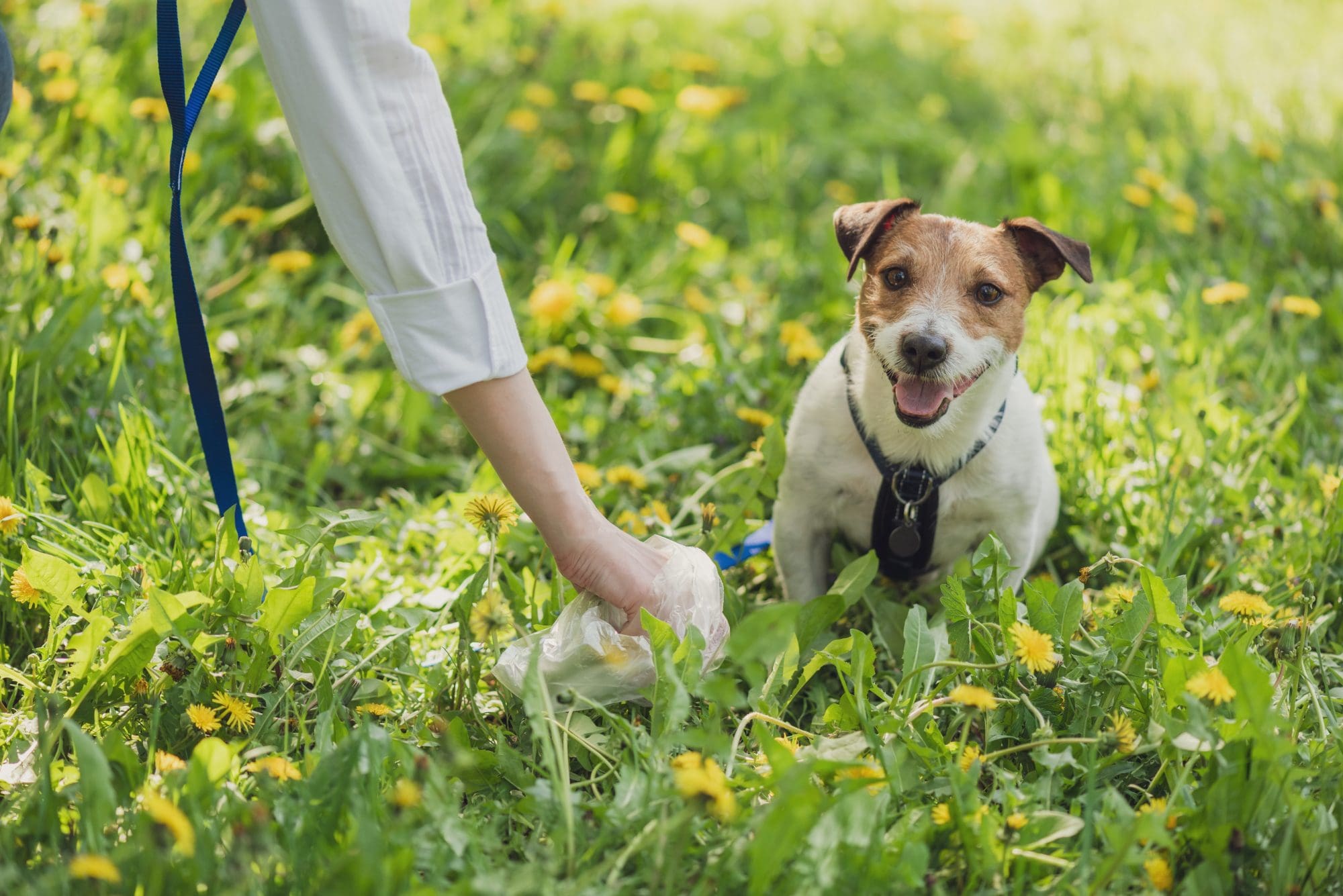
Once your dog does its business, scoop the waste, invert the bag, seal it tightly, and dispose of it in a trash can. Never leave the bag on the ground or toss it into a storm drain.
3. Clean Up Your Yard Regularly
Even if your dog only goes in your backyard, it’s important to clean up frequently, especially before it rains, to help prevent waste from washing into the stormwater system.
4. Be a Good Neighbor
Leaving pet waste behind isn’t just unsightly – it can be considered littering. Picking up after your pet shows courtesy and care for your community.
Pet waste isn’t just a personal responsibility—it’s a community-wide issue. When everyone does their part, we protect:
- Public health
- Local waterways
- Wildlife and ecosystems
- The beauty and cleanliness of shared spaces
That’s why it’s important to stay vigilant, not just to what our pets leave behind, but to other signs of pollution that may be affecting our environment.
Report Stormwater Pollution
If you see signs of stormwater pollution, contact Planning and Development Services at 979-764-3570 or cspds@cstx.gov. You can also report it online through SeeClickFix.
Common signs of stormwater pollution include:
- Trash, construction material, or debris entering a street, ditch, or storm drain.
- Sediment-laden stormwater runoff.
- Discolored water or water with an oily sheen.
Let’s work together to keep our parks, sidewalks, and neighborhoods clean and safe. It only takes a few seconds to scoop the poop, but the positive impact lasts much longer.
By picking up after your pet, you’re not just being a responsible owner; you’re helping protect our water, our wildlife, and our way of life.

About the Blogger
If you liked this post, share it with the buttons below!
Leave a Reply